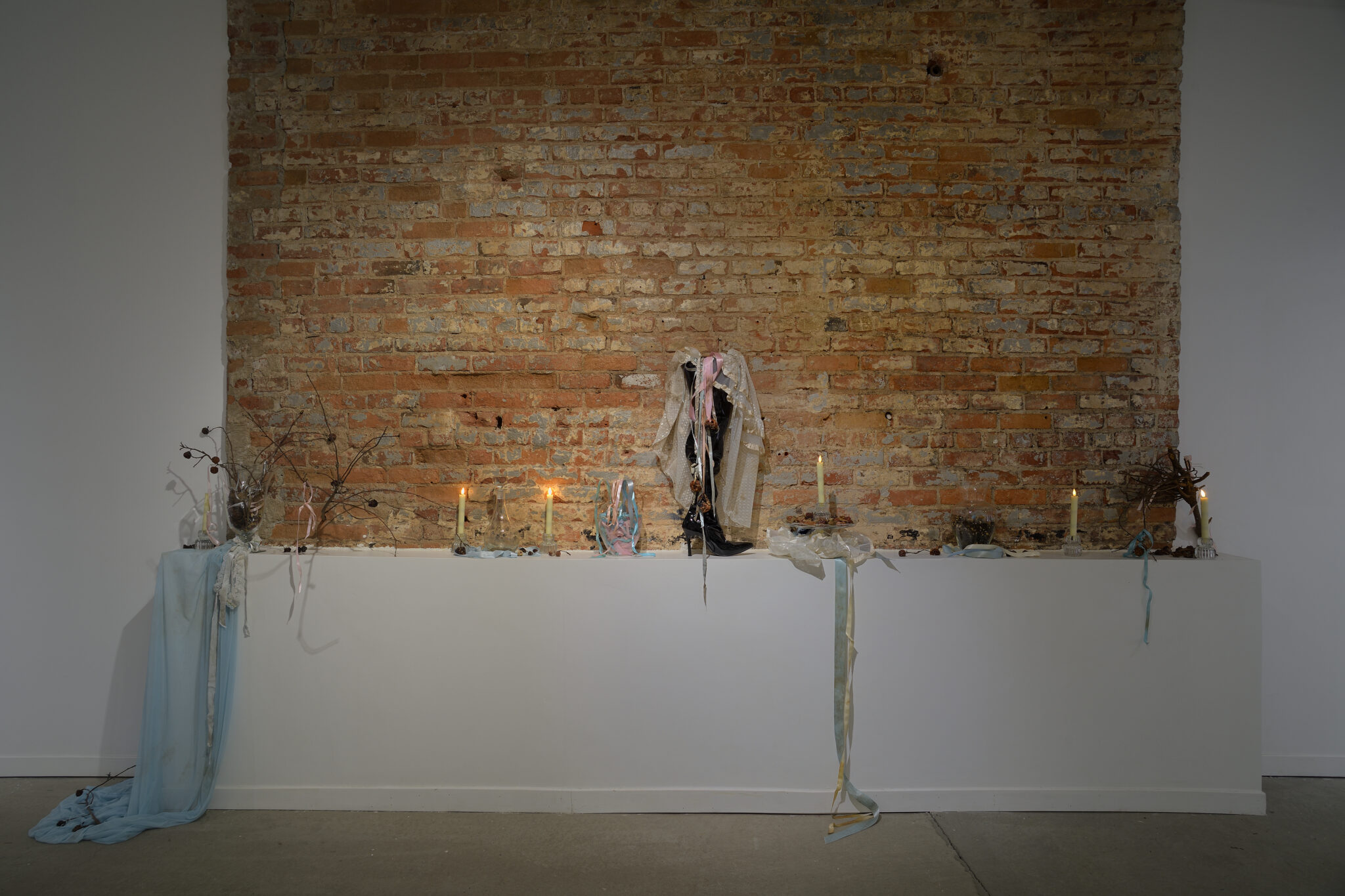
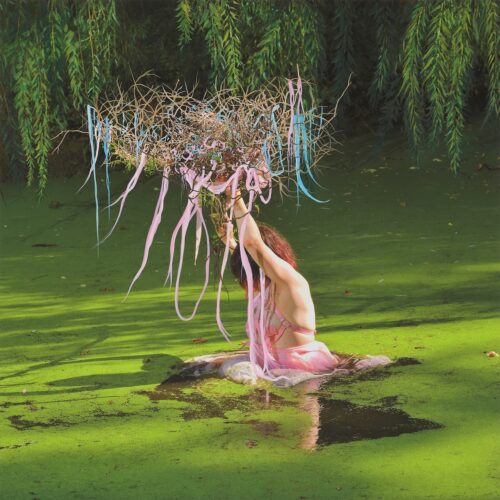
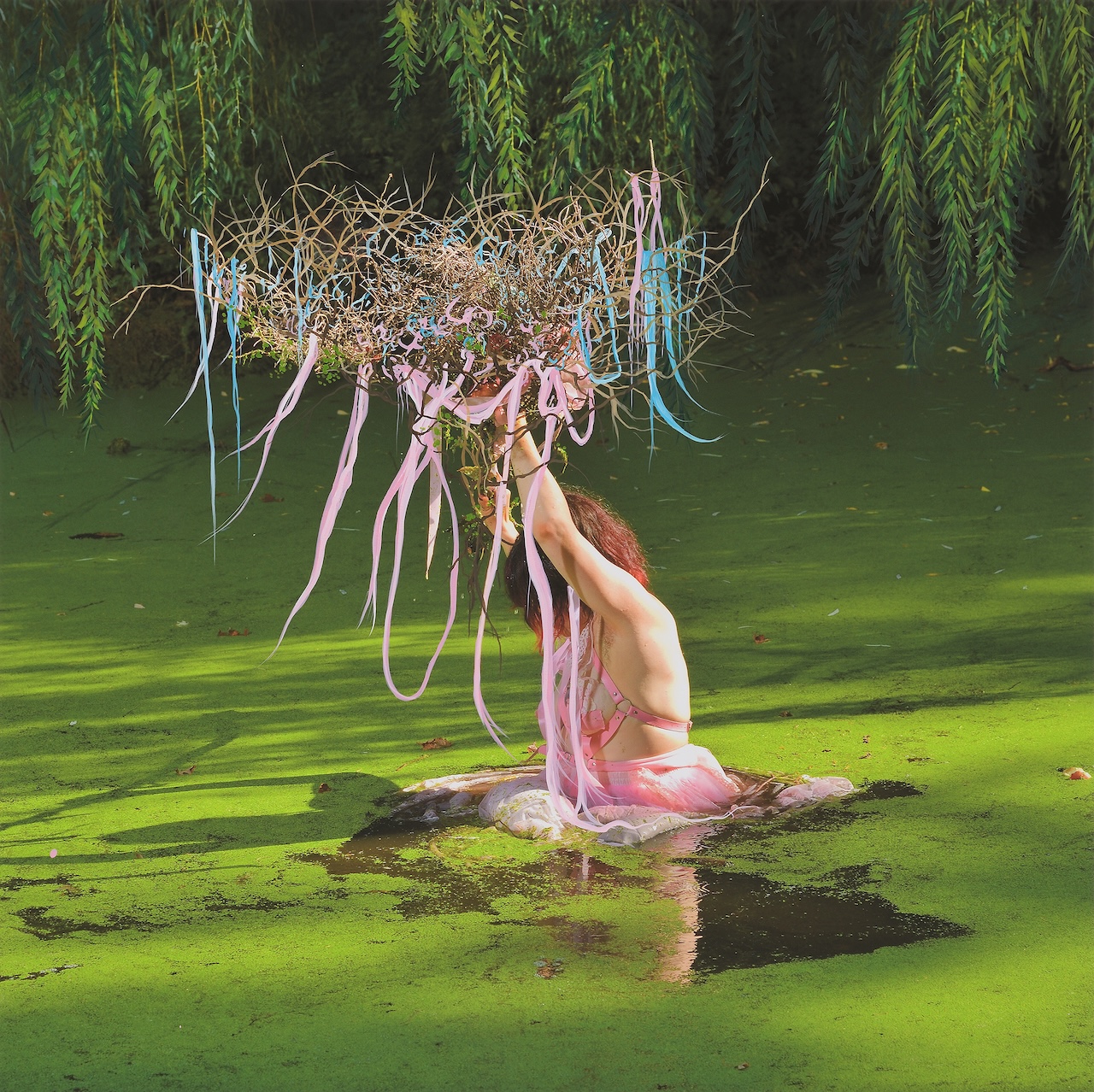
At the heart of her practice, Annie Baillargeon is committed to inventing rituals—those that heal and re-enchant. By redefining the notion of the sacred, she grants her artistic actions the power to lift spells and illuminate new spiritual paths. This approach is driven, among other things, by the need to free herself from the guilt conveyed by the creation myth within Protestant religion—an upbringing that, in her youth, fostered the perception of the “sinful woman.” Today, by playing with iconographies and archetypes centered on female figures, the artist subverts our conceptions, whether religious, social, or political.
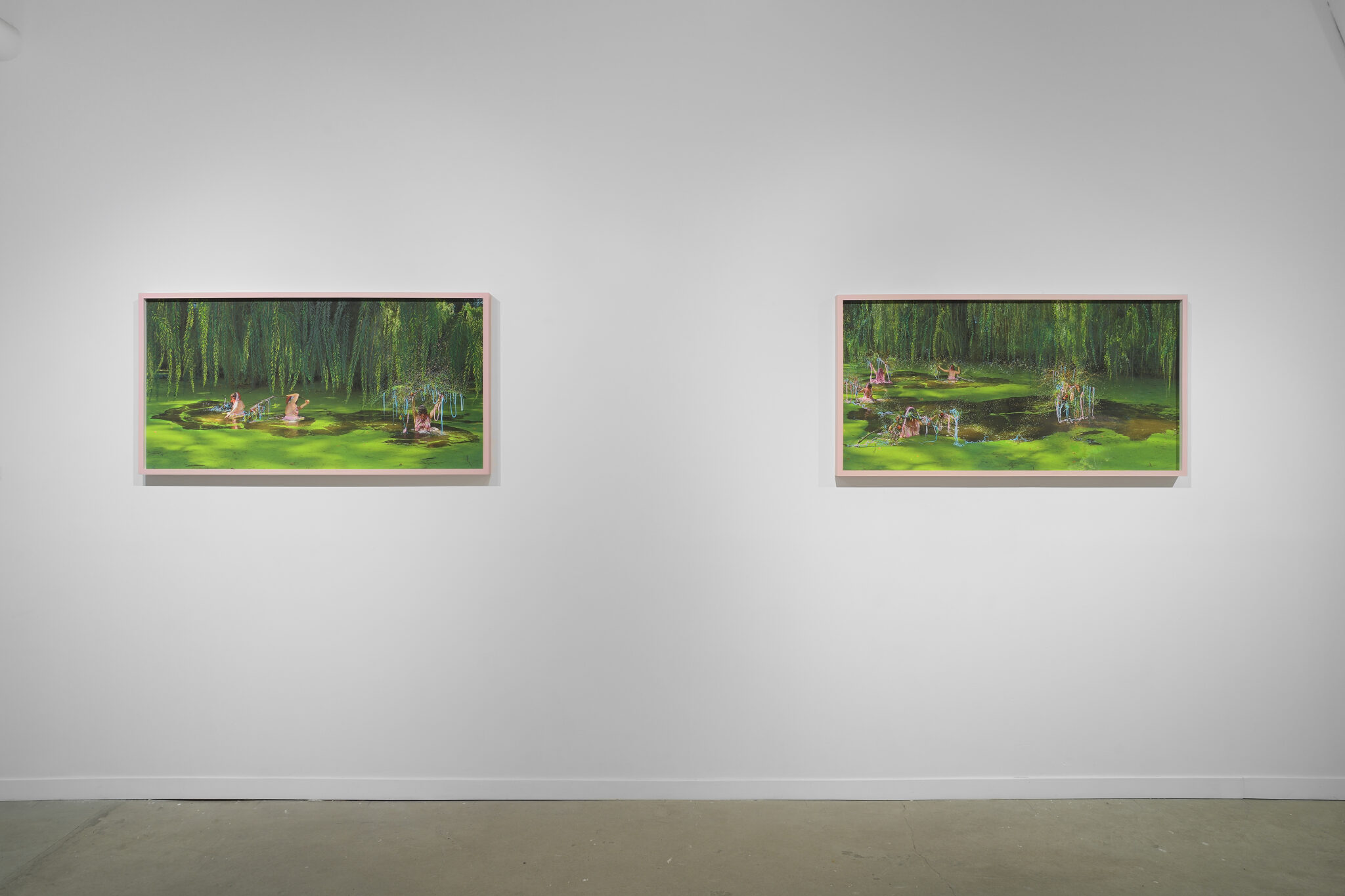
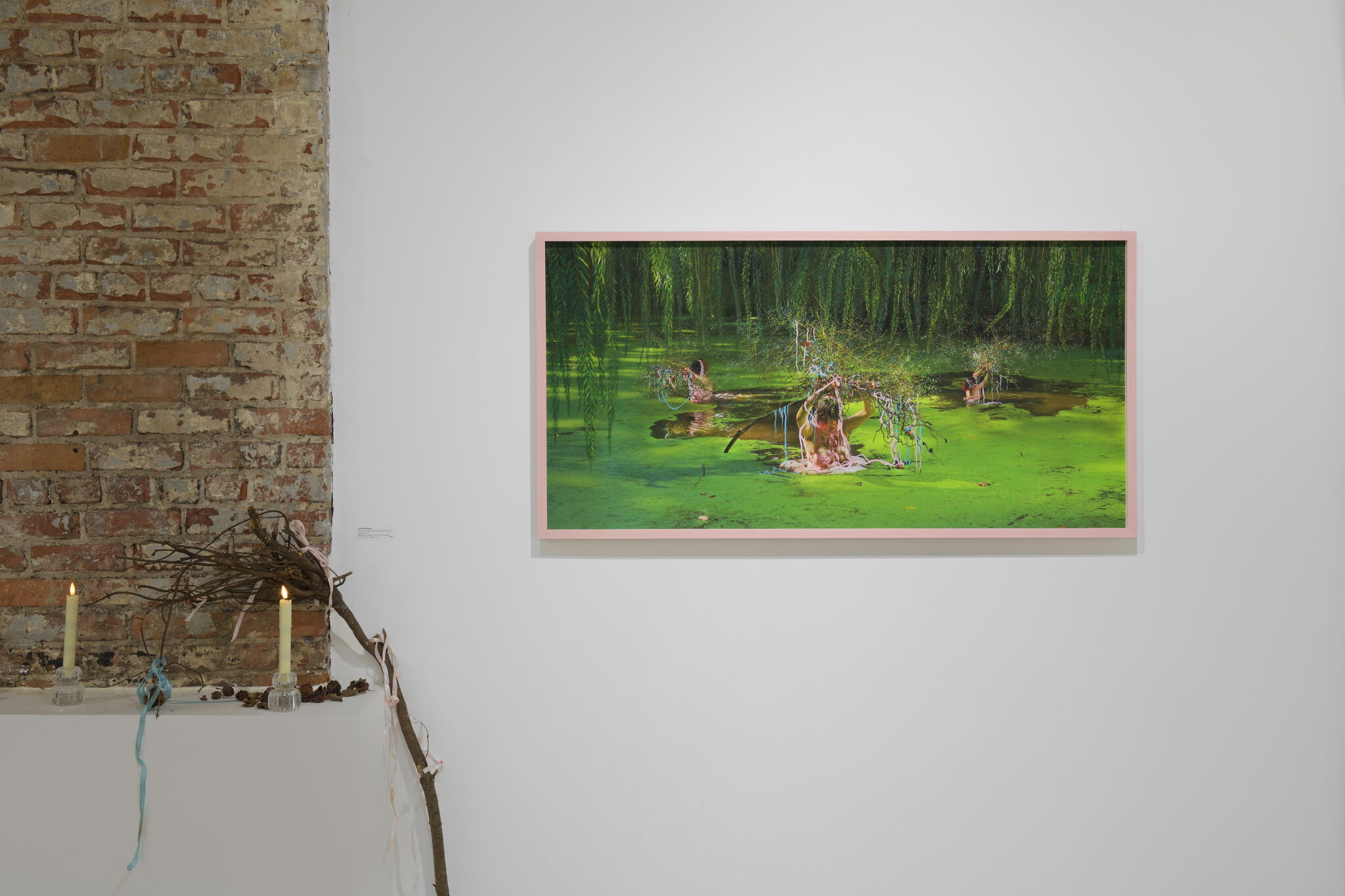
Her ritual-performances take place primarily in natural living environments, which she selects in order to “become one” with nature and matter. Annie Baillargeon establishes a regenerative cycle between the human and the non-human; she restores power to the woman who acts within her environment in a benevolent and autonomous way. Through her practice, she demonstrates a vivid ecofeminist awareness and opens illuminating passages that allow for the traversal of darker zones.
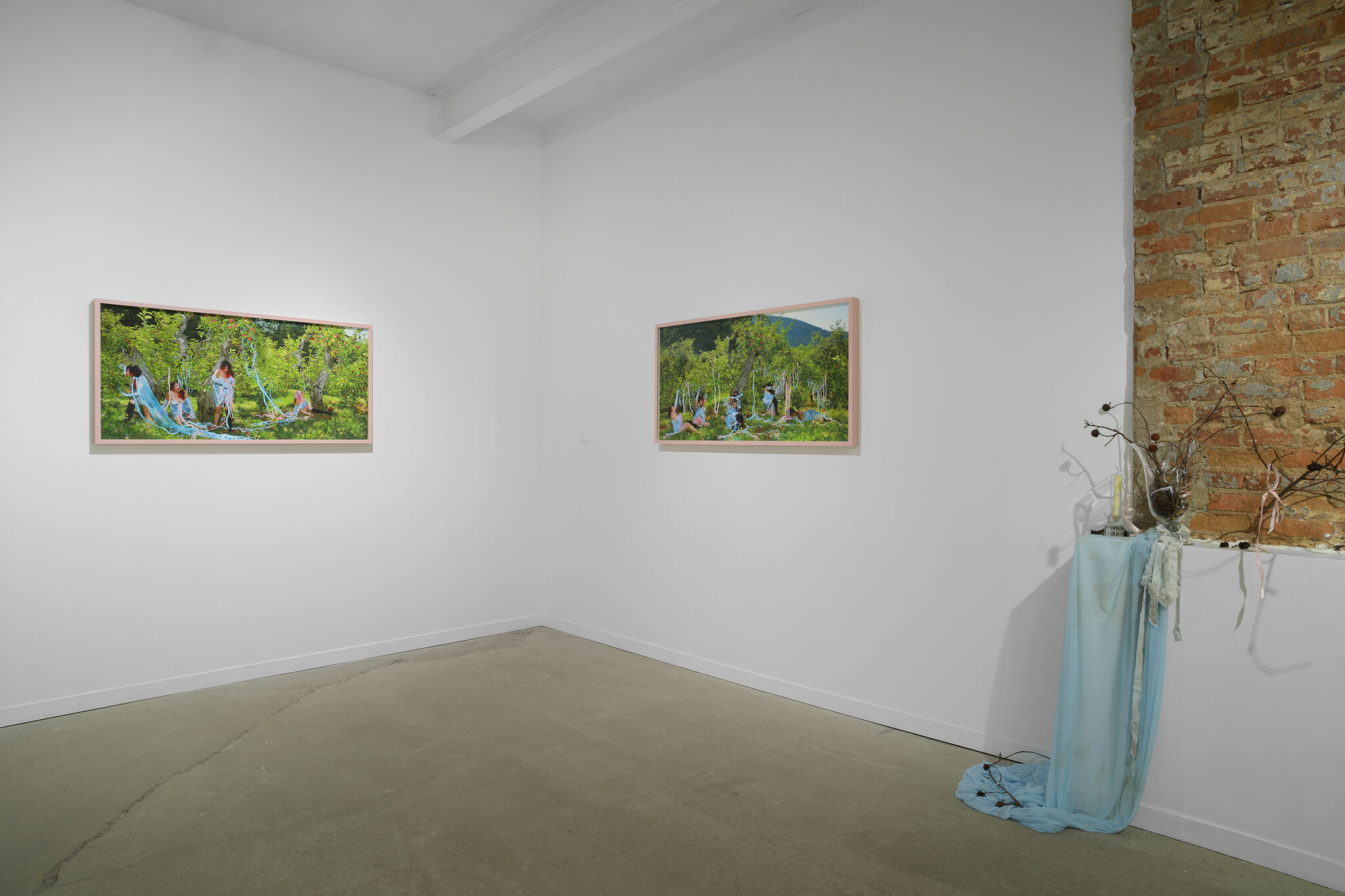
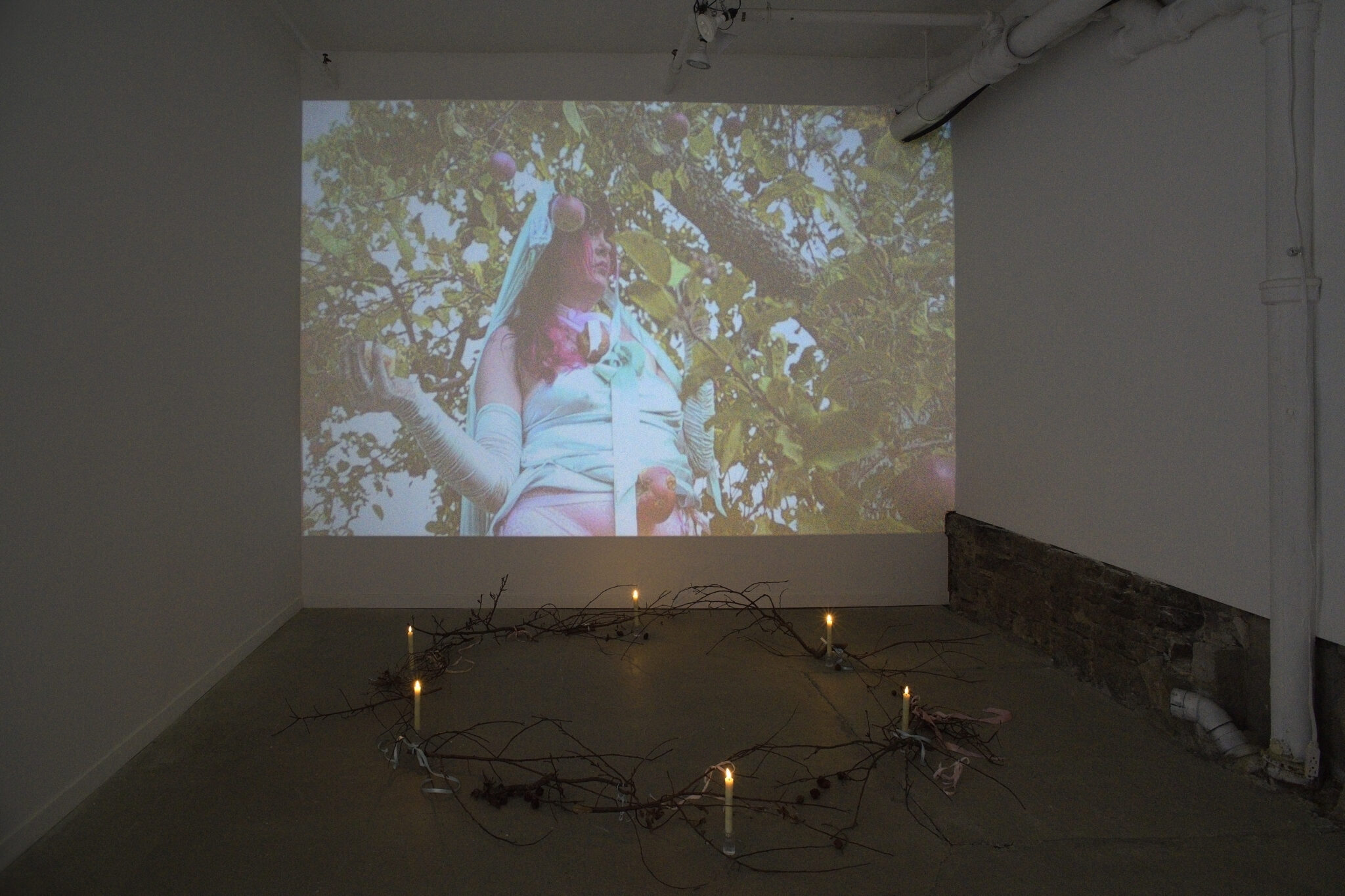
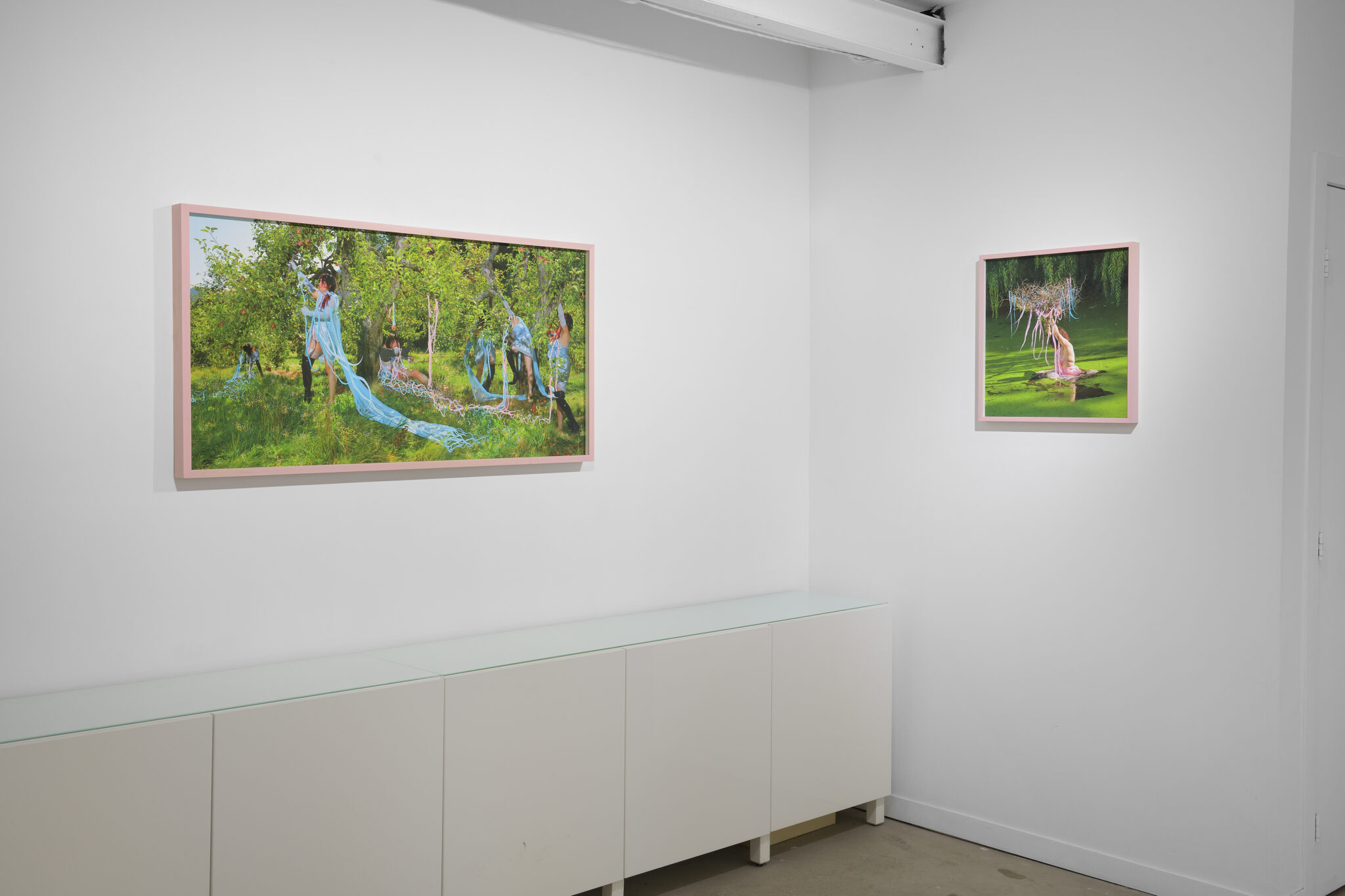
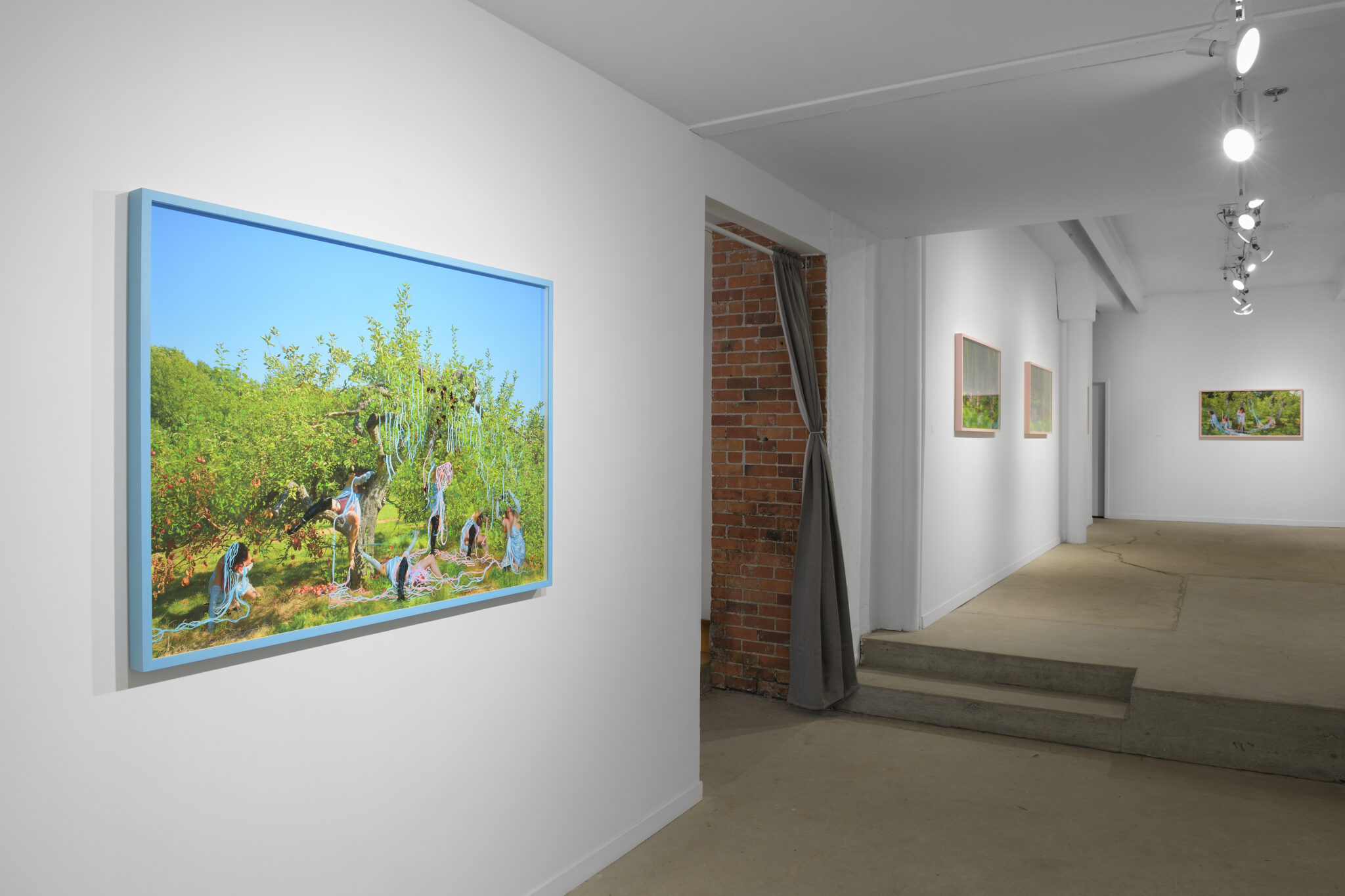
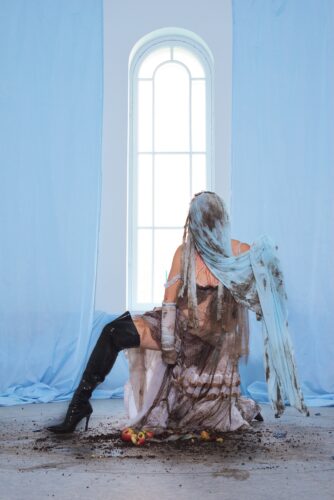
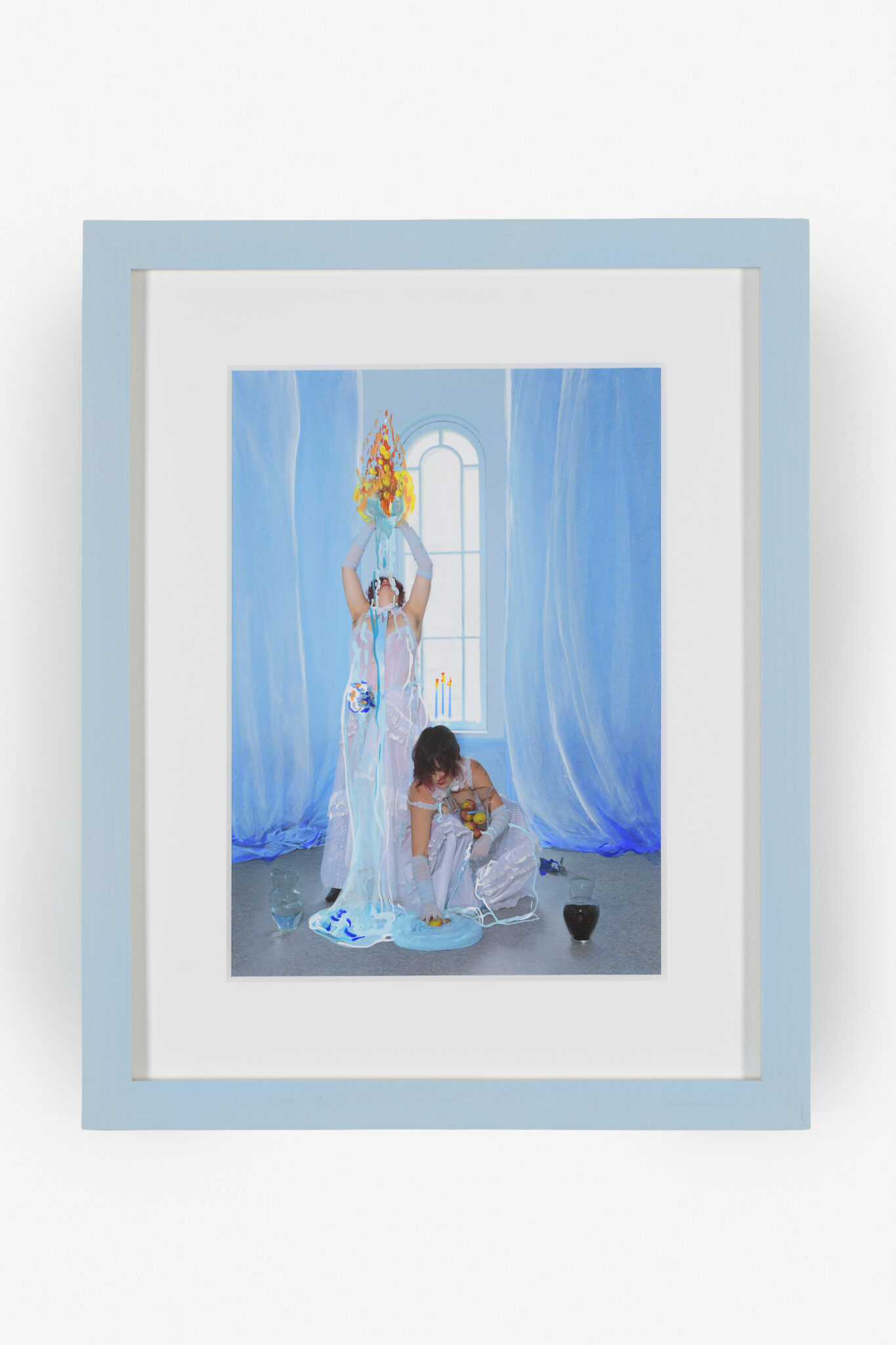
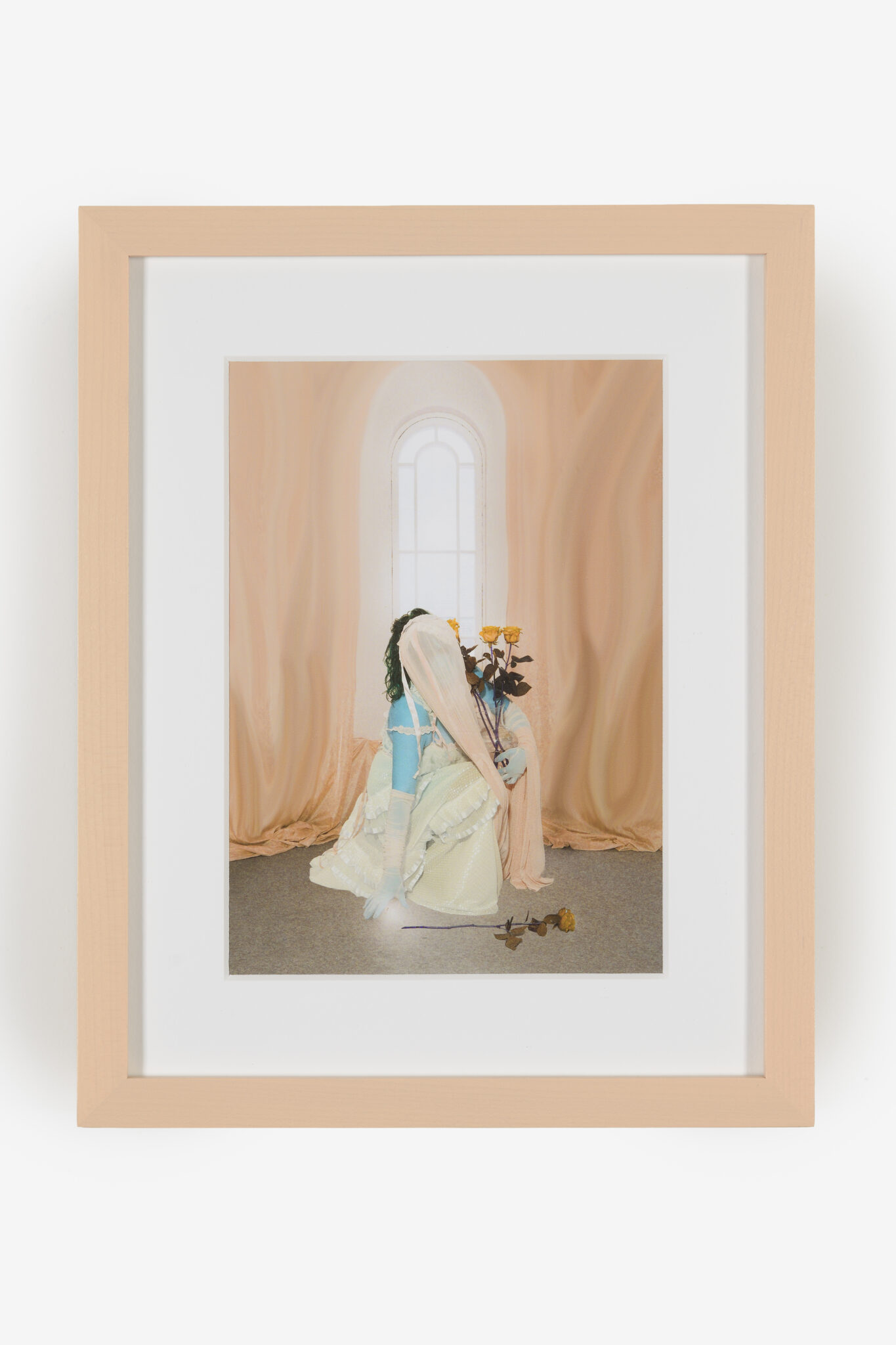
Sollicitude des péchés unfolds as a maximalist epic in which acts multiply, awakening our own “stories of sin.” Through a ritual of purification and feminist embodiment, Annie Baillargeon re-incarnates the female figure and cleanses her body of taboos. She wears down preconceived ideas associated with femininity and empties them of meaning, making room for new identity configurations. She overturns symbols of domination while revealing surprising and unexpected feminine virtues.
The transformative cycle of the apple is brought vividly to the fore—from blossoming to decomposition, including its mysterious and symbolic uses. The artist foregrounds not the fruit of temptation, but that of renewal.
Text by Roxane Chamberland